Asphalt Driveway Sealing in Greenville, SC
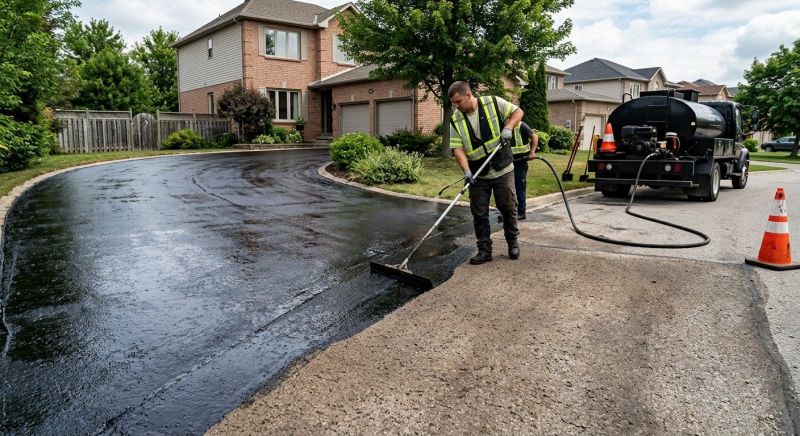
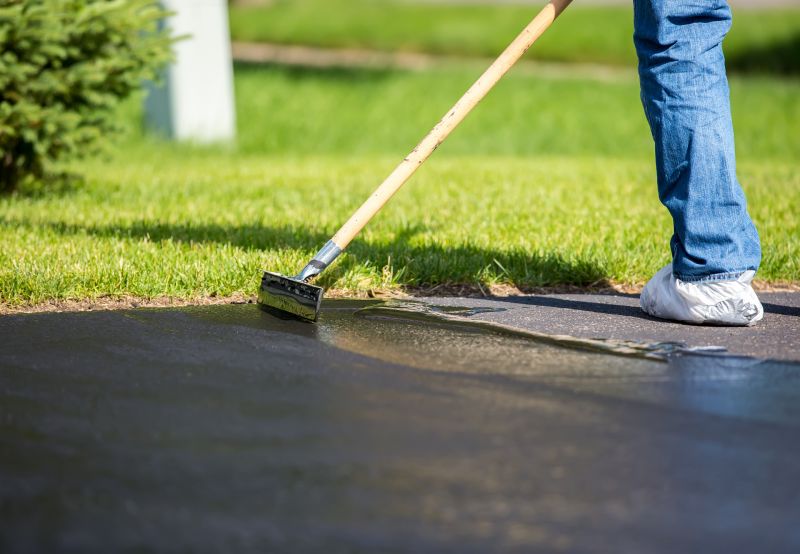
Asphalt driveway sealing is a maintenance service designed to protect and extend the lifespan of existing asphalt surfaces. This process involves applying a protective coating over the driveway to create a barrier against moisture, UV rays, and everyday wear and tear. It is suitable for a variety of projects, including residential driveways, parking areas, and walkways, helping to preserve the surface’s appearance and prevent cracks, potholes, and other damage caused by weather and traffic.
Homeowners considering asphalt sealing should understand that the service is most effective when performed on clean, dry surfaces that are free of cracks or existing damage. It is typically recommended after the driveway has been properly prepared and any necessary repairs have been completed. Property owners often want to know about the best timing for sealing, how often it should be reapplied, and what type of sealant is appropriate for their specific driveway to ensure optimal protection and appearance.
Many property owners in Greenville, SC look into Asphalt Driveway Sealing for repairs, replacements, upgrades, and appearance-related improvements.
Benefits Of Sealcoating
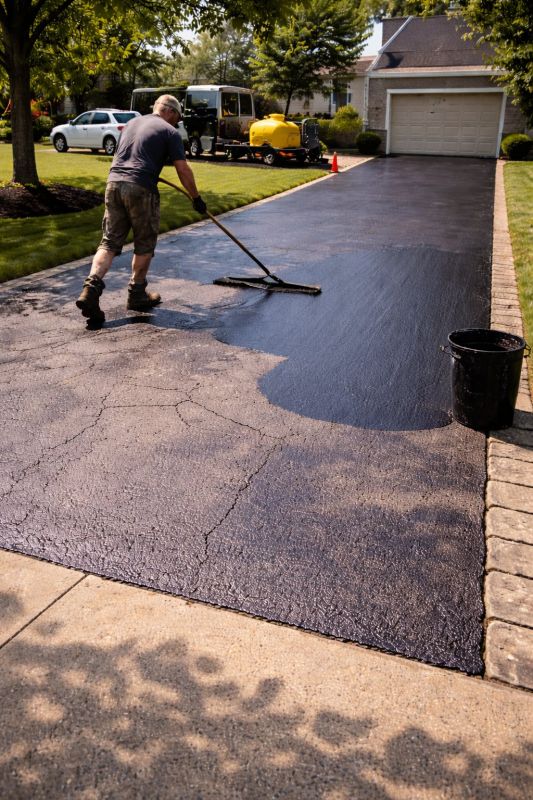
Sealcoating helps protect asphalt driveways from weather damage and extends their lifespan.
Maintenance Tips
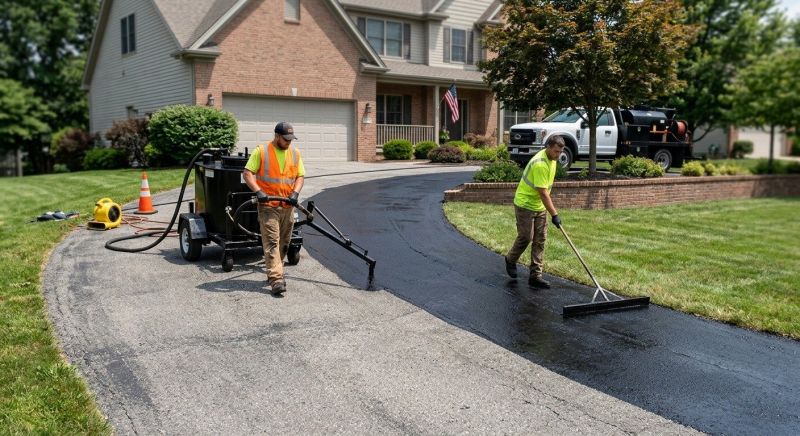
Regular sealing can prevent cracks and preserve the appearance of driveways in greenville and nearby areas.
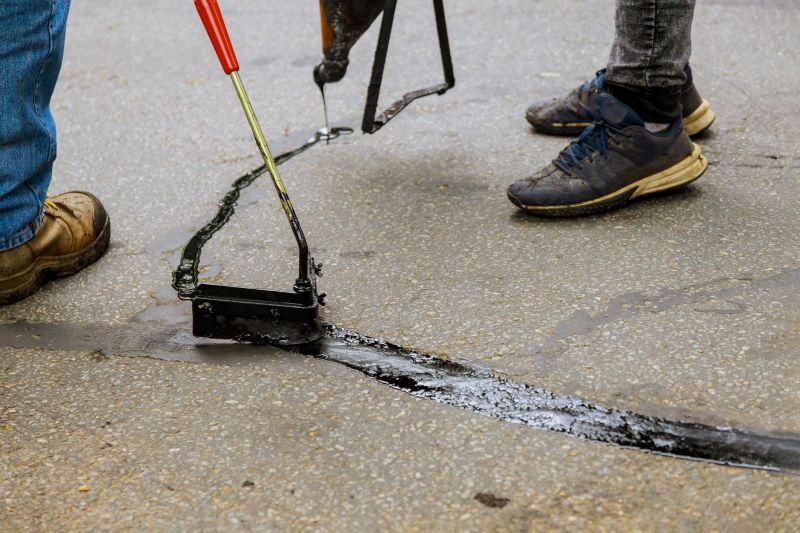
Residential And Commercial Projects
Asphalt sealing is suitable for both home driveways and larger commercial parking lots.
Asphalt Driveway Sealing in Greenville, SC
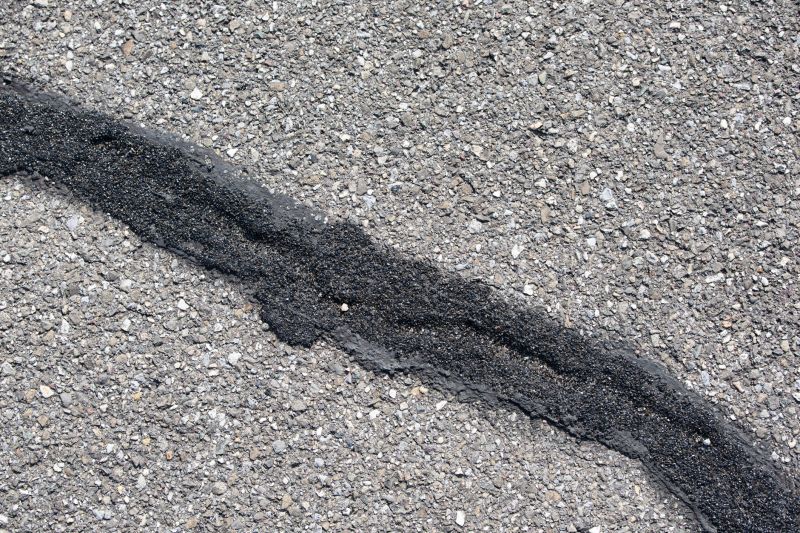
Asphalt driveway sealing is a maintenance service designed to protect and extend the lifespan of existing asphalt surfaces. This process involves applying a protective coating over the driveway to create a barrier against moisture, UV rays, and everyday wear and tear. It is suitable for a variety of projects, including residential driveways, parking areas, and walkways, helping to preserve the surface’s appearance and prevent cracks, potholes, and other damage caused by weather and traffic.
Homeowners considering asphalt sealing should understand that the service is most effective when performed on clean, dry surfaces that are free of cracks or existing damage. It is typically recommended after the driveway has been properly prepared and any necessary repairs have been completed. Property owners often want to know about the best timing for sealing, how often it should be reapplied, and what type of sealant is appropriate for their specific driveway to ensure optimal protection and appearance.
Many property owners in Greenville, SC look into Asphalt Driveway Sealing for repairs, replacements, upgrades, and appearance-related improvements.
Common Asphalt Driveway Sealing Jobs
Asphalt Driveway Sealing - protects asphalt surfaces from water penetration and weather damage.
Driveway Maintenance - enhances curb appeal by providing a smooth, uniform finish.
Crack Prevention - seals small cracks to prevent further deterioration and costly repairs.
Surface Protection - extends the lifespan of asphalt driveways against daily wear and tear.
Appearance Enhancement - improves the overall look of residential and commercial parking areas.
Weather Resistance - offers added protection against rain, snow, and temperature fluctuations.
Asphalt Driveway Sealing Questions
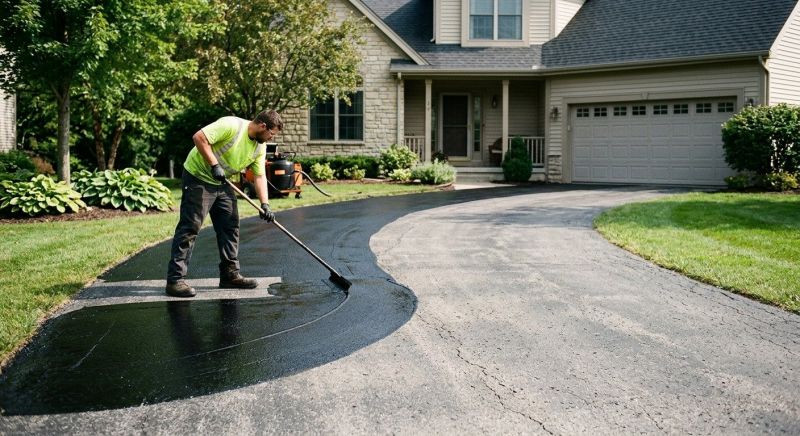
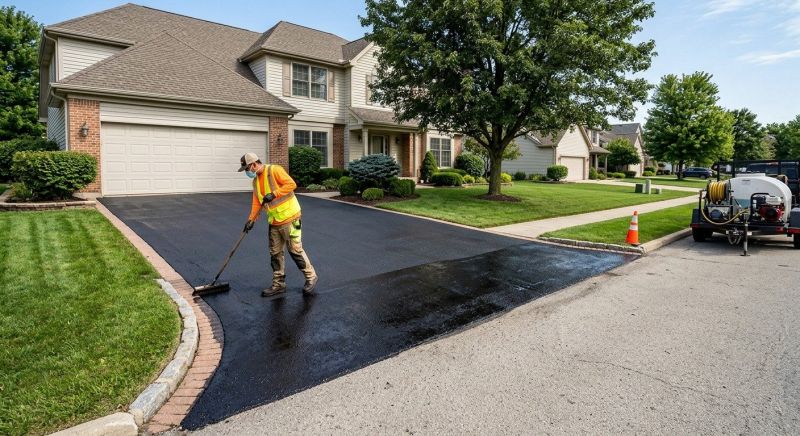
What is asphalt driveway sealing? Asphalt driveway sealing involves applying a protective coating to the surface to help prevent damage from weather, water, and wear.
Why should homeowners consider sealing their driveway? Sealing can extend the lifespan of the driveway, improve its appearance, and reduce the likelihood of cracks and potholes.
When is the best time to seal an asphalt driveway? The ideal time is during warm, dry weather when temperatures are consistently above 50°F.
How often should asphalt driveways be sealed? Typically, sealing is recommended every 2 to 3 years to maintain protection and appearance.
Request Asphalt Driveway Sealing in Greenville, SC
Use the quote form on this page to share the basics of your project and request more information for the type of work you need.